Source High Precision Stainless Steel Flange for Oil Gas Water
Source high precision stainless steel flange from 30 verified suppliers. Compare OEM dimensions, pressure ratings, and surface finishes for petroleum, natural gas, and water disposal applications. View pricing and delivery times for welding and flanged connections; compare the available evidence and request quotations based on your requirements.
Key considerations
Products List




Comprehensive Sourcing Guide
High Precision Stainless Steel Flange Sourcing Guide
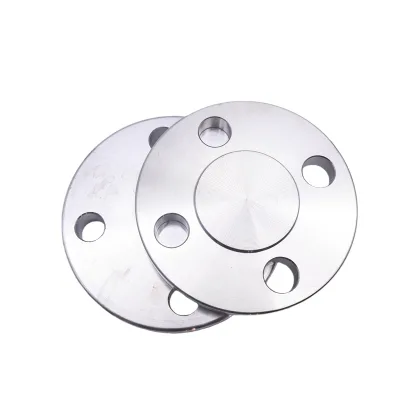
Procuring high precision stainless steel flanges requires a clear understanding of the diverse manufacturing capabilities available in the current market. Buyers must recognize that while many suppliers offer customization, the specific production method, such as forging, significantly impacts the structural integrity and pressure rating of the final component. The observed product range includes various connection types like flanged and welding options, necessitating a precise match between the supplier's output and the specific piping system requirements.
The market data indicates a wide variance in pricing and minimum order quantities, ranging from single units to thousands, which suggests flexibility for both prototype development and large-scale industrial deployment. Buyers should verify that the supplier can accommodate specific design requests, as dimensions and models often follow OEM specifications rather than a fixed catalog. This variability means that a single sourcing strategy must account for different material grades, from 201 to 316 series, to ensure compatibility with the intended fluid media and environmental conditions.
Product Scope and Observed Listing Signals
The product scope for high precision stainless steel flanges encompasses a broad spectrum of structural types, including welding flanges, threaded flanges, and slip-on variants. Listings frequently highlight specific sealing surface finishes such as Ring Joint (RJ) or Raised Face (RF), which are critical for ensuring leak-free connections in high-pressure applications. The observed data confirms that these components are available in a wide range of sizes, typically spanning from 1/2 inch to 100 inches, allowing for extensive coverage across various industrial piping networks.
Buyers must carefully evaluate the listed surface finishes, which include sandblasting, anodizing, plating, and pickling, as these processes directly influence corrosion resistance and longevity. The presence of stock availability for certain models suggests that immediate delivery is possible for standard configurations, while custom orders may require specific processing times. It is essential to distinguish between generic listings and those offering tailored solutions, as the latter often involve unique design parameters and specific material certifications that align with complex engineering projects.
Technical Specifications to Verify
Technical verification begins with confirming the material grade, as the supply chain offers options ranging from 201 and 304 to specialized alloys like 316 and 347. Each grade possesses distinct mechanical properties and corrosion resistance profiles, making it imperative to match the material selection with the specific chemical and thermal demands of the application. The observed pressure ratings, such as PN6 through PN63, provide a baseline for structural capacity, but buyers must ensure these ratings are validated against the actual operating conditions of their system.
Dimensional accuracy is another critical factor, with specifications often adhering to international standards like GOST, GB, DIN, ANSI, BSW, and JIS. Buyers should request detailed drawings to verify that the outer diameter and wall thickness, which can range from Sch5 to Sch160, align precisely with the piping system's requirements. The manufacturing process, typically forging, ensures superior grain structure and strength compared to casting, but the specific heat treatment methods, such as annealing or brightening, must be confirmed to guarantee the desired mechanical performance.
Compliance and Safety Documentation
Compliance documentation serves as the primary evidence of a supplier's ability to meet rigorous industry safety and quality standards. While specific certifications like ISO 9001 are often referenced in the broader market, buyers must request explicit proof of adherence to relevant standards such as ASTM A182 or EN 1092-1 for the specific stainless steel flanges being purchased. The absence of a specific certification on a listing does not preclude compliance, but it necessitates a direct inquiry to the supplier to obtain the necessary test reports and material certificates.
Safety documentation should also include detailed records of the manufacturing process, including surface finishing techniques and quality control checks performed during production. Buyers need to verify that the supplier maintains a robust quality assurance system capable of detecting defects before shipment, particularly for components used in critical applications like petroleum and natural gas transport. The warranty period, often cited as one year, provides a baseline for accountability, but the specific terms and conditions regarding material failures or dimensional deviations must be clearly defined in the contract.
Cost Drivers and Commercial Terms
Cost drivers for high precision stainless steel flanges are heavily influenced by the material grade, manufacturing complexity, and the level of customization required. Forging processes and specialized surface treatments like anodizing or plating add significant value but also increase the unit price, which can range from $0.10 to $300 depending on the specifications. Buyers should analyze the total cost of ownership, considering that higher initial costs for premium materials may result in reduced maintenance and replacement expenses over the lifecycle of the equipment.
Commercial terms such as EXW, FOB, CIF, and DDU dictate the allocation of risk and cost between the buyer and the supplier throughout the logistics chain. The observed delivery times of 10 to 20 days suggest a relatively efficient supply chain, but lead times can vary based on order volume and the availability of raw materials. It is crucial to negotiate clear terms regarding payment schedules, shipping responsibilities, and penalties for delays to ensure that the procurement process remains predictable and financially manageable.
Supplier Qualification and Quality Control
Supplier qualification involves a thorough assessment of the manufacturer's capabilities, including their location, production capacity, and history of fulfilling similar orders. The supply base includes major manufacturing hubs in China, such as Shenzhen, Tianjin, and Wenzhou, each offering distinct logistical advantages and access to specific raw material sources. Buyers should verify the supplier's status as a recognized entity, such as a Gold Supplier, while also conducting independent due diligence to confirm their operational stability and financial health.
Quality control protocols must be explicitly defined to ensure that every batch of flanges meets the required specifications. This includes verifying the supplier's ability to perform in-process inspections and final testing, particularly for critical dimensions and surface finishes. The availability of OEM and ODM support indicates a flexible manufacturing environment, but buyers must establish clear communication channels to monitor production progress and address any deviations from the agreed-upon design parameters before the final shipment.
Long-Term Procurement Checks
Long-term procurement success relies on establishing a reliable partnership with suppliers who can consistently deliver high-quality components over time. Buyers should implement a system for periodic performance reviews, assessing factors such as delivery reliability, product consistency, and responsiveness to technical inquiries. The observed service commitment of replying within 24 hours is a positive indicator, but sustained performance requires a formalized feedback loop to address any recurring issues or evolving project needs.
Continuous monitoring of market trends and supplier capabilities is essential to adapt to changing industry standards and technological advancements. Buyers should regularly review the supplier's inventory levels and production capacity to ensure they can meet future demand without compromising quality or lead times. By maintaining a proactive approach to supplier management, organizations can mitigate risks associated with supply chain disruptions and ensure a steady flow of high-precision stainless steel flanges for their critical infrastructure projects.
FAQs
What materials are used for high precision stainless steel flanges?
High precision stainless steel flanges are manufactured from various stainless steel grades including 201, 304, 316, 317, 321, and 347. These materials ensure durability and corrosion resistance for demanding industrial applications. The specific grade selection depends on the operational environment and fluid compatibility requirements for the piping system.
Which standards apply to these stainless steel flanges?
These flanges comply with major international standards such as GOST, GB, DIN, ANSI, BSW, and JIS. Manufacturers also produce according to specific customer drawings or requests. This flexibility allows for precise customization to meet diverse engineering specifications and regional regulatory requirements for industrial piping components.
Can I customize the dimensions and specifications of the flanges?
Yes, customization is available for dimensions, models, and surface finishes. OEM designs are accepted with OD ranging from 1/2 to 100 inches and wall thickness from Sch5 to Sch160. Surface treatments include sandblasting, anodizing, plating, or other customized options to suit specific project needs and environmental conditions.
What is the typical delivery time for orders?
The typical delivery time is 10 to 20 days after order confirmation. This timeframe allows for manufacturing, quality control, and packaging processes. Stock availability may vary by model, but standard production cycles ensure timely fulfillment for most orders, supporting efficient project scheduling and supply chain management for buyers.
What packaging methods are used for shipping these flanges?
Flanges are packaged in woven bags, wooden boxes, or pallets to ensure safe transit. The packaging protects the components from damage during handling and transportation. This secure method is standard for industrial goods, ensuring that the high precision stainless steel flanges arrive in optimal condition ready for immediate installation or storage.
What are the common applications for these flanges?
These flanges are widely used in petroleum, natural gas, and water disposal industries. They provide reliable connections for high-pressure and corrosive environments. The robust construction supports critical infrastructure projects, ensuring secure piping integrity and operational safety across various industrial sectors requiring durable and precise fluid control components.